
Introduction
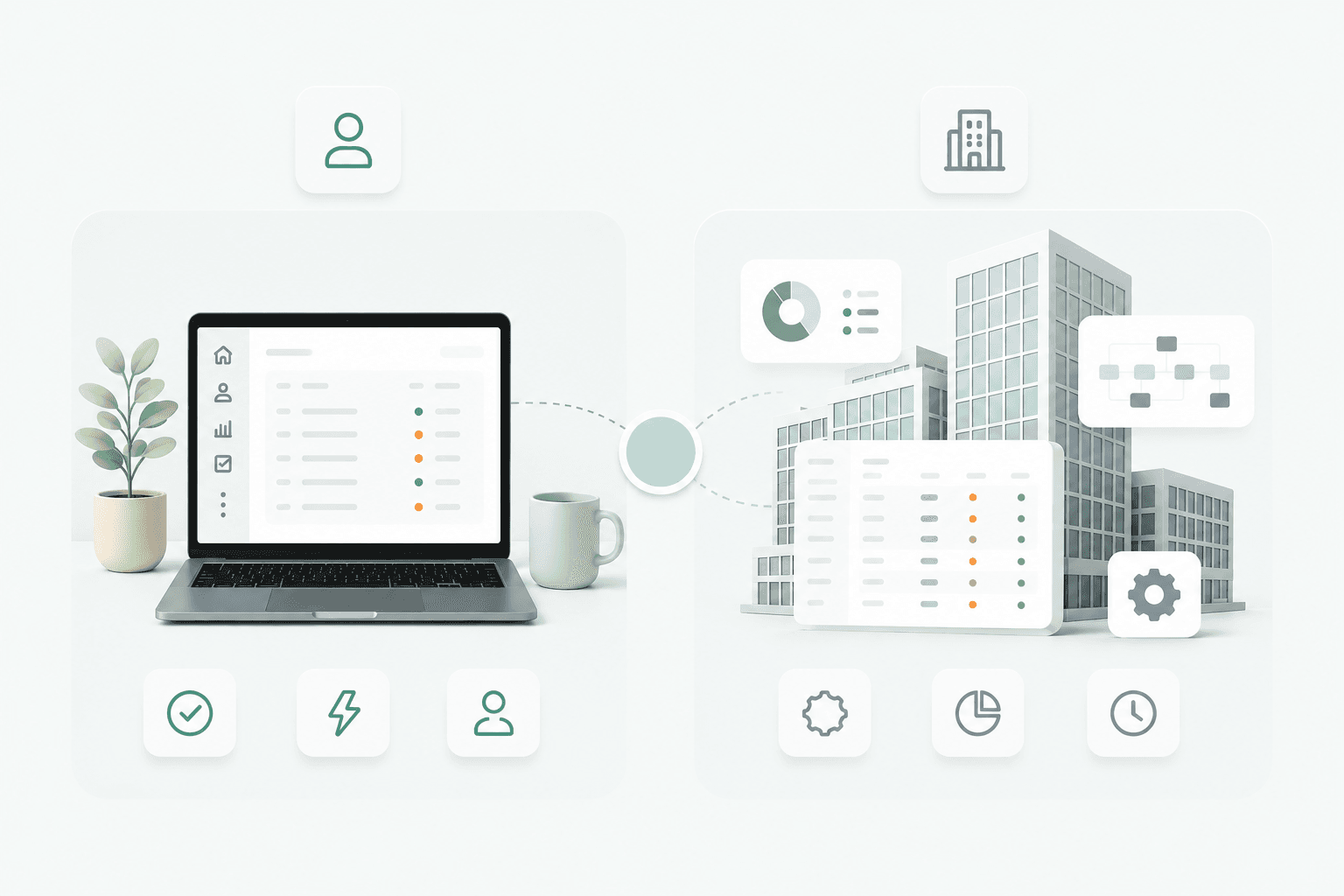
CRM tools have quietly become essential for how small teams organize contacts, manage sales, and drive growth. But with so many choices available, the big question is: Should your small team choose a simple CRM or a more complex, feature-heavy system? This side-by-side guide explores the key differences between simple and complex CRMs, helping you identify a solution that truly fits your team’s workflow, priorities, and goals.
Understanding Simple CRMs
Simple CRMs are designed for small teams seeking straightforward sales and contact management without unnecessary complexity. What makes them stand out?
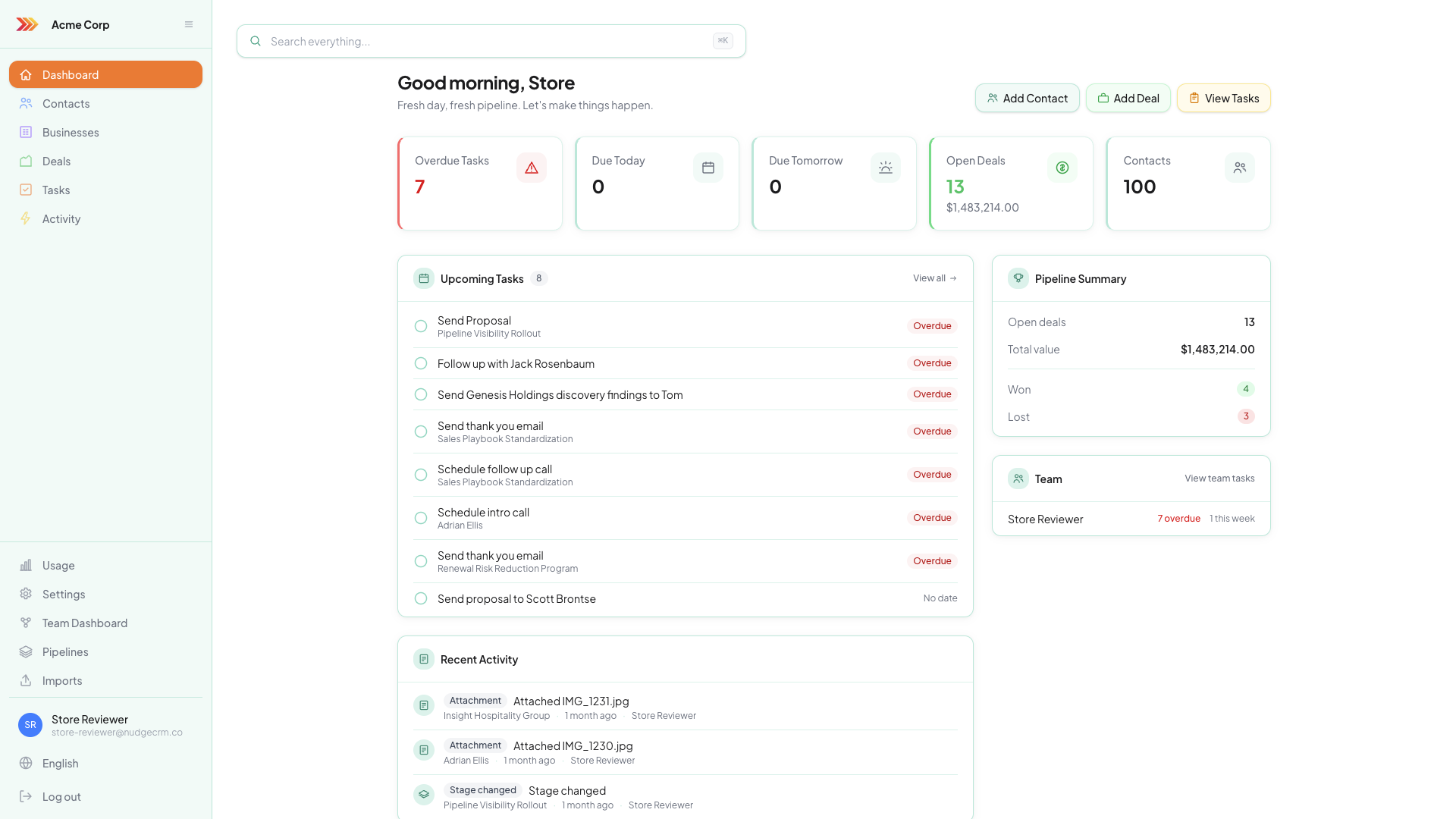
- User-friendly interfaces: Clean, intuitive dashboards help your team get started quickly, regardless of technical ability.
- Quick setup: These tools can be up and running in no time, avoiding lengthy, disruptive rollouts.
- Essential features: Expect basics like storing contacts, tracking deals through a sales pipeline, and receiving activity reminders.
Benefits of a Simple CRM
Where do simple CRMs excel?
- Ease of use: Focused on core needs, these tools minimize confusion and keep the learning curve short. Teams can quickly strengthen customer relationships.
- Cost-effectiveness: Affordable pricing fits small business budgets.
- Minimal training required: Intuitive design means your team is productive from the start, with little to no onboarding.
Limitations to Consider
There are also boundaries to what simple CRMs can provide:
- Limited customization: If you require complex workflow automation or highly tailored fields, you may hit some limitations.
- Basic reporting: Reporting is often limited to essentials. For more advanced analytics or custom dashboards, more specialized solutions may be necessary.
Understanding Complex CRMs
Complex CRMs cater to organizations with broader and more sophisticated needs, packed with a wide range of features and integration options. What do these systems offer?
- Extensive feature sets: Encompassing marketing automation, advanced forecasting, and even project management, these platforms are designed to be all-encompassing.
- Advanced customization: Configure workflows, automate tasks, and tailor the CRM to precisely fit your business requirements.
- Comprehensive analytics: Get detailed reports, custom dashboards, and in-depth data visualizations for deeper insights.
Benefits of a Complex CRM
Complex CRMs bring strong advantages, particularly as businesses expand:
- Scalability: Built to evolve with your organization, adding features and capacity as your team grows.
- In-depth analysis: Leverage advanced analytics to refine sales strategies and improve performance.
- Integration capabilities: Seamlessly connect with other business tools—from ERPs to marketing platforms—to create an operational hub.
Limitations to Consider
However, complex CRMs aren’t always the best fit for small teams:
- Steep learning curve: The abundance of features may require significant training and adjustment.
- Higher costs: Costs can add up quickly, both in subscriptions and in customizations or initial setup.
- Longer implementation: Full deployment can take weeks or months, especially if tight integration or sophisticated customization is required.
Key Considerations for Small Teams
How should small teams make their CRM decision? Consider these critical factors:
- Team size & expertise: For small, non-technical teams, simplicity is often a better match. Complex systems can create more hurdles than benefits.
- Budget constraints: If you need to maximize value, affordable solutions focused on your actual needs should stand out.
- Specific business needs: Know which features—like email sync or mobile access—are non-negotiable for your team’s daily workflow, and ensure your CRM covers them.
- Growth projections: Be realistic about your growth plans. Does your team need a platform that can scale, or will a simple CRM serve your needs for the foreseeable future?
Case Studies: Small Teams' Experiences
A Simple CRM Success Story
Take the experience of a five-person consulting firm. They chose a simple CRM to combine client data and schedule follow-ups. With easy setup and almost no training, the firm quickly increased response rates and improved client retention. The straightforward tools kept the team focused, efficient, and cost-effective—without unnecessary distractions.
Conclusion
Choosing between a simple CRM and a complex one isn’t about finding the “best” platform on the market—it’s about selecting what fits your team’s current stage, skillset, and ambitions. For many small teams, solutions like Nudge CRM deliver that essential balance: robust enough to support daily workflows, yet simple enough to prevent needless complexity and added expense. Align your choice with your team’s current reality and future aspirations, and you’ll equip your team for sustainable success.
Curious how Nudge CRM can support your small team? Discover how it delivers simplicity and efficiency—giving founders, agencies, and sales teams the clarity and control they need, without overwhelming features or complications. Learn more here.